Arduino, running the sketch you wrote
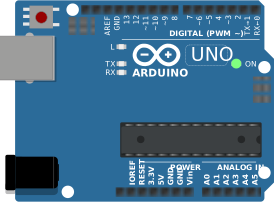
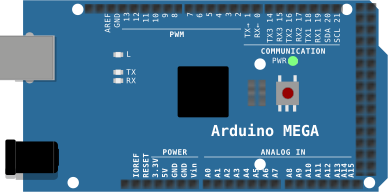
arduino-cli compiles it, an AVR8 core executes it instruction by instruction, and the LCD shows what the ATmega328P actually put on the bus. Uno, Nano, Mega and ATtiny85, no board on your desk.

Hardware is all about iteration. Velxio lets you wire a circuit, program the board and run it in seconds, real firmware on a real solver, right in the browser.





DFRobot · M5Stack links on this page are affiliate links: a purchase through them earns Velxio a small commission at no extra cost to you.
Nothing on this page is a scripted animation: the firmware is compiled and executed, and the circuit around it is solved.
arduino-cli compiles it, an AVR8 core executes it instruction by instruction, and the LCD shows what the ATmega328P actually put on the bus. Uno, Nano, Mega and ATtiny85, no board on your desk.
arduino-cli or ESP-IDF compiles the sketch, then AVR8, RP2040, RISC-V, Xtensa or ARM executes it instruction by instruction. What the OLED draws and what the serial monitor prints is what the chip actually did.

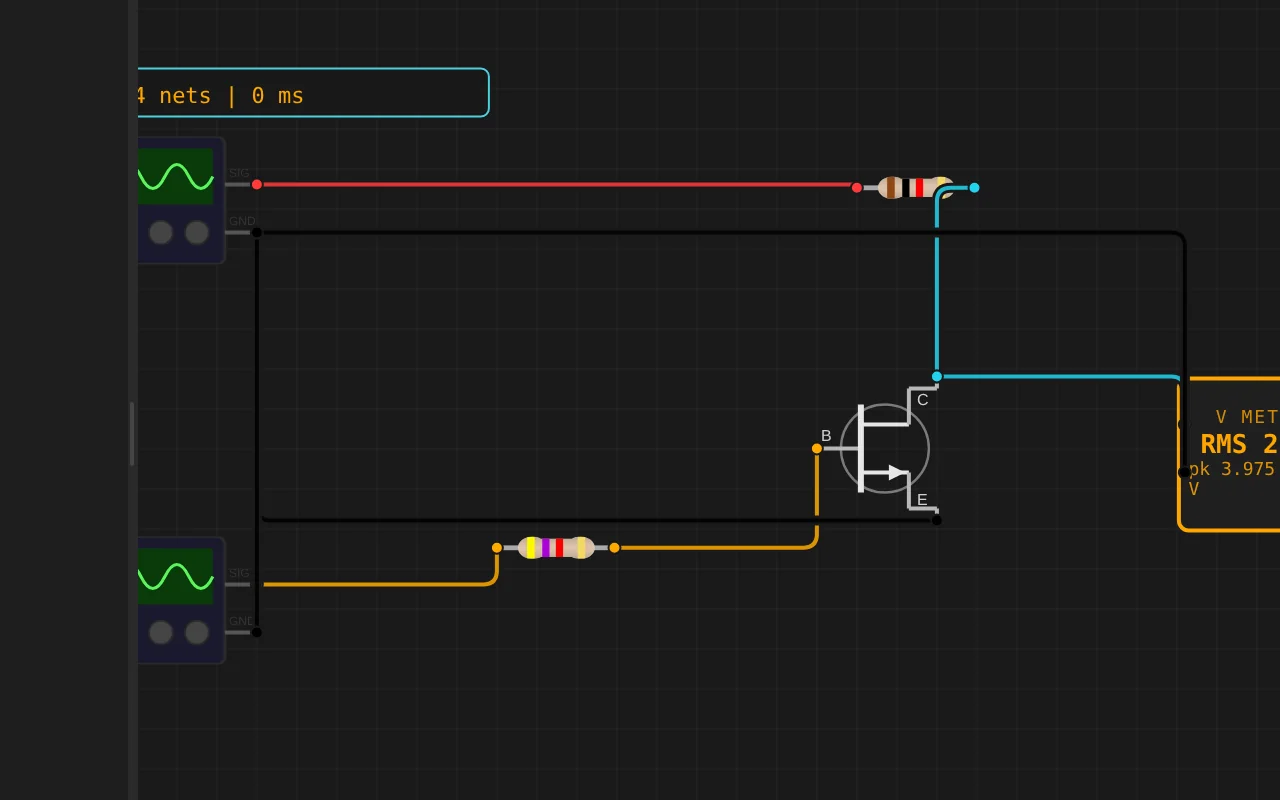
ngspice compiled to WebAssembly runs a full nodal analysis about 60 times a second. GPIO pins drive real nets, ADC inputs read solved node voltages, and probes report RMS, DC and current wherever you drop them.
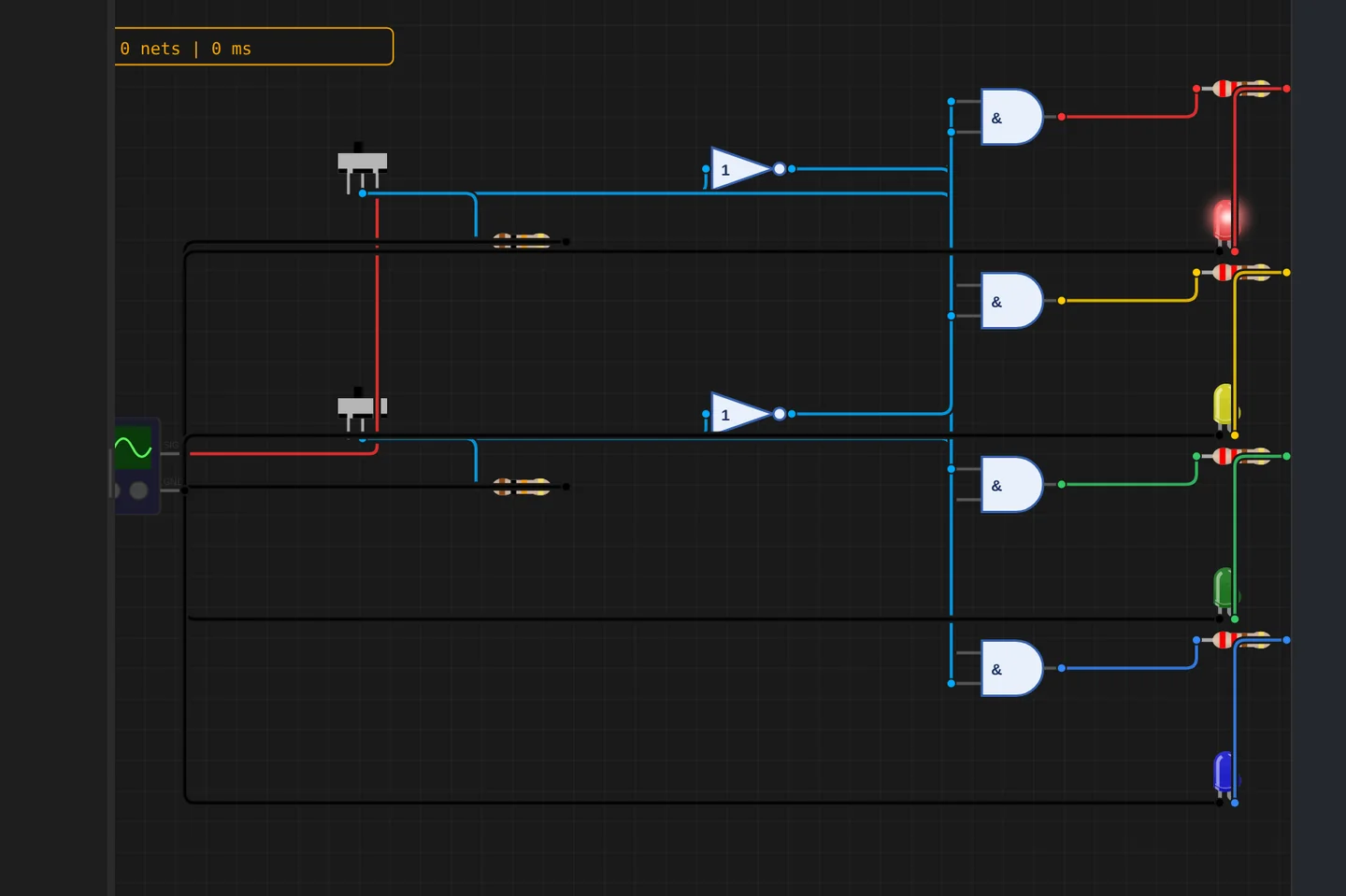
Adders, comparators, decoders, flip-flops and a 1-bit ALU slice: no microcontroller anywhere, just gates, switches and LEDs solved as a real net. The classroom half of electronics, without the breadboard.
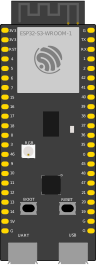
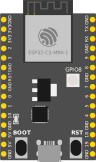
The M5Stack Cardputer with its keyboard, Seeed's round display keeping time, Pimoroni's Badger 2350 driving e-paper, and DFRobot's UNIHIKER M10 in the catalogue alongside them. Their makers sent the hardware so the emulation could be checked against the real thing.
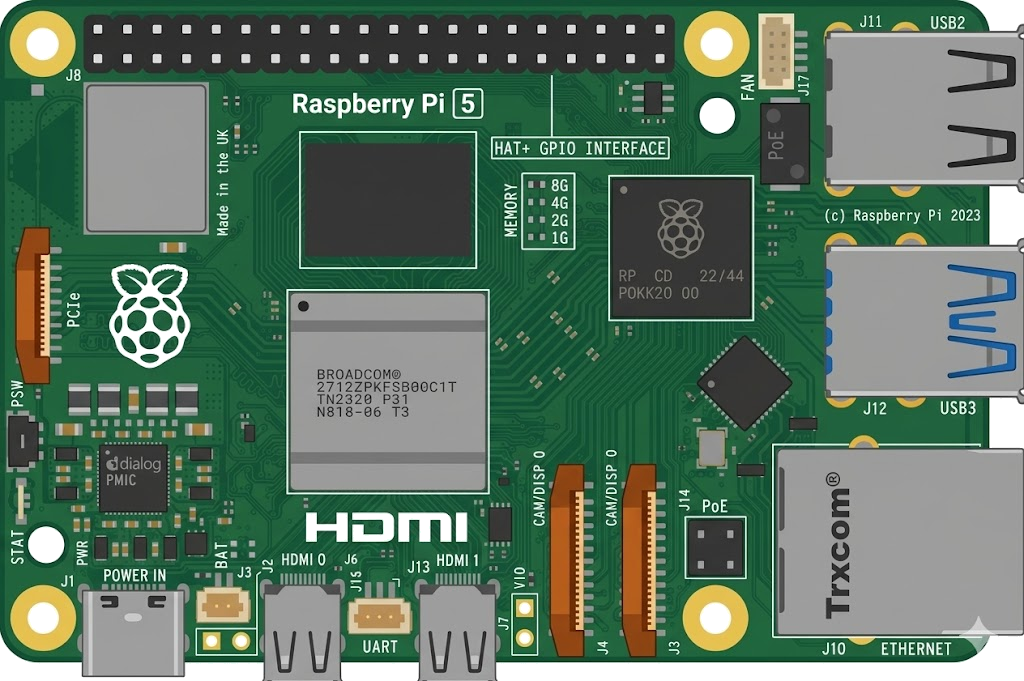
35 boards across 6 CPU architectures — AVR8, ARM Cortex-M, ARM Cortex-A, RISC-V, Xtensa, and Linux. Including partner boards from Pimoroni, M5Stack, Seeed Studio and DFRobot. All running locally, no cloud needed.






One institution contract gives every student in the class a full Pro account. No per-seat checkout, no card details in a classroom.
Private projects, BOM and schematic exports, GitHub Sync and the offline desktop app, for everyone enrolled.
Billed once to your institution, per semester or per year. Volume pricing on request for large cohorts.
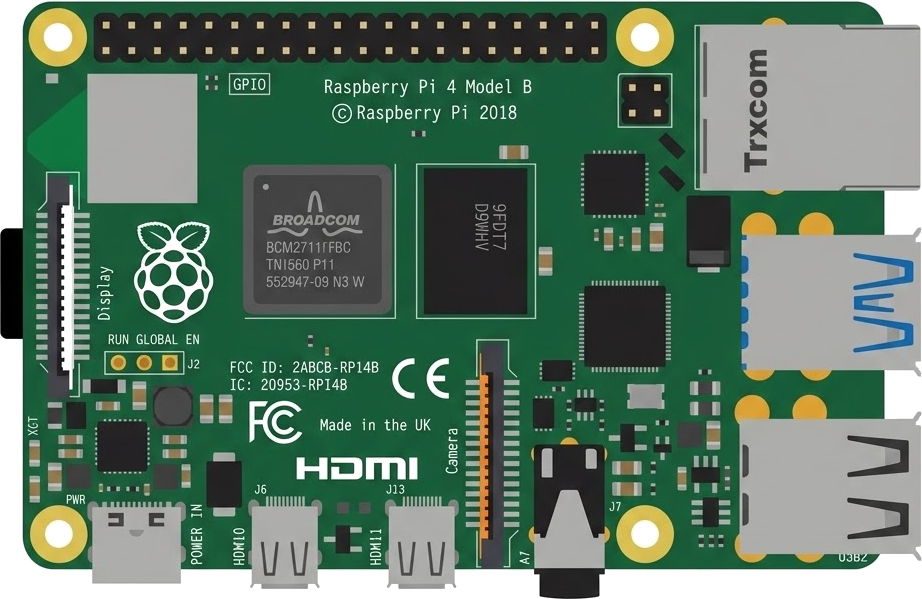
Arduino, ESP32, RP2040, STM32, ATtiny and Raspberry Pi, with SPICE analog solved alongside the firmware. Not a sandboxed mock.
The simulator stays free forever. Paid plans unlock the Linux and STM32 boards, WiFi and the offline desktop app. Maker and Pro add the AI agent; No AI leaves it out.
Discover the simulator + light AI help.
The full workbench, zero AI. You write every line.
For makers shipping real circuits with AI help.
Private projects, GitHub Sync and BOM exports.
Questions, bugs and ideas: the Discord and the issue tracker are open, and so is every line of the simulator.
An interactive ESP32-S3 circuit simulation you can run free in your browser on Velxio, by a2982887131.
/*
  智能音乐启蒙教具 - ESP32-S3 修正版
  功能:
  1. 8 LED + 11 按键 + 无源蜂鸣器
  2. KEY0~KEY7:对应 8 个 LED,在练习模式中作为音符按键
  3. KEY8:长按(>=700ms)开/关机
  4. KEY9:短按切换“放歌模式 / 节拍练习模式”
  5. KEY10:短按切换歌曲
  6. 播放模式:声音与 LED 节拍同步,LED 使用非阻塞呼吸效果
  7. 练习模式:亮灯提示目标按键,按对后进入下一音符;REST 自动跳过

  重要改动:
  - 不再使用 delay() / while() 阻塞主循环
  - KEY9、KEY10 独立扫描并正确消抖
  - 修复 REST(休止符)处理逻辑
  - 修复切歌按键消抖变量生命周期问题
  - 播放、练习、灯光、按键全部由 millis() 状态机驱动
*/

// =========================
// ESP32-S3 引脚定义
// =========================
const int ledPins[] = {4, 5, 6, 7, 15, 16, 17, 18};
const int keyPins[] = {1, 8, 9, 10, 11, 12, 13, 14, 21, 47, 2};
// KEY0~KEY9,KEY8=21总控, KEY9 = 47是切换按钮,KEY10=2是切换歌曲的按钮
const int BUZZER = 40;

#define LED_COUNT 8
#define KEY_TOTAL 11

// =========================
// 音调定义
// =========================
#define NOTE_C4  262
#define NOTE_D4  294
#define NOTE_E4  330
#define NOTE_F4  349
#define NOTE_G4  392
#define NOTE_A4  440
#define NOTE_B4  494
#define NOTE_C5  523
#define REST 0

//所有歌曲的旋律格式:{音调,节拍,对应LED编号}
//小星星
int melody_star[][3] = {
  {NOTE_C4,4,0}, {NOTE_C4,4,1}, {NOTE_G4,4,2}, {NOTE_G4,4,3},
  {NOTE_A4,4,4}, {NOTE_A4,4,5}, {NOTE_G4,2,6},
  {NOTE_F4,4,0}, {NOTE_F4,4,1}, {NOTE_E4,4,2}, {NOTE_E4,4,3},
  {NOTE_D4,4,4}, {NOTE_D4,4,5}, {NOTE_C4,2,6},
  {REST,2,7}
};
//欢乐颂
int melody_happy[][3] = {
  {NOTE_E4,4,0}, {NOTE_E4,4,1}, {NOTE_F4,4,2}, {NOTE_G4,4,3},
  {NOTE_G4,4,4}, {NOTE_F4,4,5}, {NOTE_E4,4,6}, {NOTE_D4,4,7},
  {NOTE_C4,4,0}, {NOTE_C4,4,1}, {NOTE_D4,4,2}, {NOTE_E4,4,3},
  {NOTE_E4,4,4}, {NOTE_D4,2,5}, {REST,2,6},
  {NOTE_E4,4,0}, {NOTE_E4,4,1}, {NOTE_F4,4,2}, {NOTE_G4,4,3},
  {NOTE_G4,4,4}, {NOTE_F4,4,5}, {NOTE_E4,4,6}, {NOTE_D4,4,7},
  {NOTE_C4,4,0}, {NOTE_C4,4,1}, {NOTE_D4,4,2}, {NOTE_E4,4,3},
  {NOTE_D4,2,4}, {NOTE_C4,2,5}, {REST,2,6}
};
//两只老虎
int melody_tiger[][3] = {
  {NOTE_C4,4,0}, {NOTE_D4,4,1}, {NOTE_E4,4,2}, {NOTE_C4,4,3},
  {NOTE_C4,4,4}, {NOTE_D4,4,5}, {NOTE_E4,4,6}, {NOTE_C4,4,7},
  {NOTE_E4,4,0}, {NOTE_F4,4,1}, {NOTE_G4,2,2}, {REST,2,3},
  {NOTE_E4,4,4}, {NOTE_F4,4,5}, {NOTE_G4,2,6}, {REST,2,7},
  {NOTE_G4,8,0}, {NOTE_A4,8,1}, {NOTE_G4,8,2}, {NOTE_F4,8,3},
  {NOTE_E4,4,4}, {NOTE_C4,4,5},
  {NOTE_G4,8,0}, {NOTE_A4,8,1}, {NOTE_G4,8,2}, {NOTE_F4,8,3},
  {NOTE_E4,4,4}, {NOTE_C4,4,5},
  {NOTE_C4,4,0}, {NOTE_G4,4,1}, {NOTE_C4,2,2}, {REST,2,3}
};
//生日快乐
int melody_birthday[][3] = {
  {NOTE_C4,4,0}, {NOTE_C4,8,1},
  {NOTE_D4,4,2}, {NOTE_C4,4,3}, {NOTE_F4,4,4},
  {NOTE_E4,2,5}, {REST,2,6},
  {NOTE_C4,4,0}, {NOTE_C4,8,1},
  {NOTE_D4,4,2}, {NOTE_C4,4,3}, {NOTE_G4,4,4},
  {NOTE_F4,2,5}, {REST,2,6},
  {NOTE_C4,4,0}, {NOTE_C4,8,1},
  {NOTE_C5,4,2}, {NOTE_A4,4,3}, {NOTE_F4,4,4},
  {NOTE_E4,4,5}, {NOTE_D4,2,6}, {REST,2,7},
  {NOTE_B4,4,0}, {NOTE_B4,8,1},
  {NOTE_A4,4,2}, {NOTE_F4,4,3}, {NOTE_G4,4,4},
  {NOTE_F4,2,5}, {REST,2,6}
};
//送别 简易
int melody_farewell[][3] = {
  {NOTE_C4,4,0}, {NOTE_E4,4,1}, {NOTE_G4,4,2}, {NOTE_C5,2,3},
  {NOTE_C5,4,4}, {NOTE_G4,4,5}, {NOTE_E4,4,6}, {NOTE_C4,2,7},
  {NOTE_C4,4,0}, {NOTE_E4,4,1}, {NOTE_G4,4,2}, {NOTE_C5,2,3},
  {NOTE_C5,4,4}, {NO