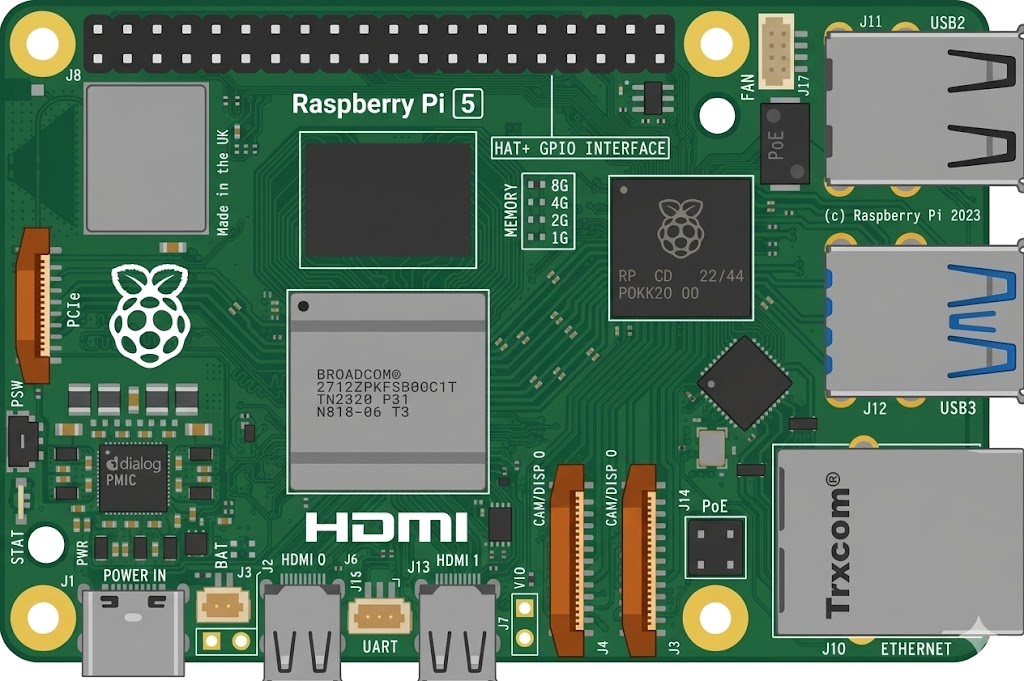
Arduino, running the sketch you wrote
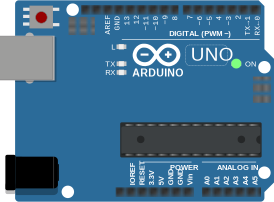
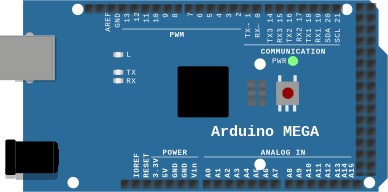
arduino-cli compiles it, an AVR8 core executes it instruction by instruction, and the LCD shows what the ATmega328P actually put on the bus. Uno, Nano, Mega and ATtiny85, no board on your desk.

Hardware is all about iteration. Velxio lets you wire a circuit, program the board and run it in seconds, real firmware on a real solver, right in the browser.





DFRobot · M5Stack links on this page are affiliate links: a purchase through them earns Velxio a small commission at no extra cost to you.
Nothing on this page is a scripted animation: the firmware is compiled and executed, and the circuit around it is solved.
arduino-cli compiles it, an AVR8 core executes it instruction by instruction, and the LCD shows what the ATmega328P actually put on the bus. Uno, Nano, Mega and ATtiny85, no board on your desk.
arduino-cli or ESP-IDF compiles the sketch, then AVR8, RP2040, RISC-V, Xtensa or ARM executes it instruction by instruction. What the OLED draws and what the serial monitor prints is what the chip actually did.

ngspice compiled to WebAssembly runs a full nodal analysis about 60 times a second. GPIO pins drive real nets, ADC inputs read solved node voltages, and probes report RMS, DC and current wherever you drop them.
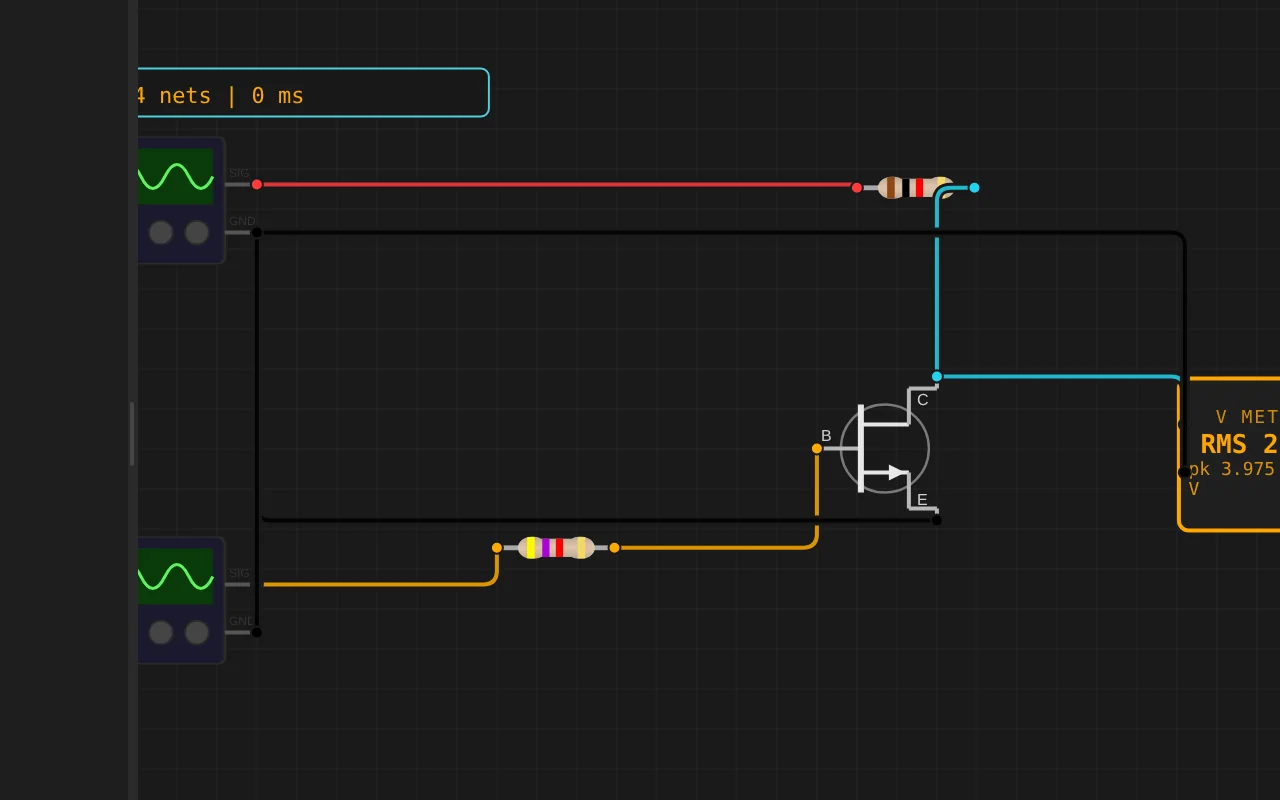
Adders, comparators, decoders, flip-flops and a 1-bit ALU slice: no microcontroller anywhere, just gates, switches and LEDs solved as a real net. The classroom half of electronics, without the breadboard.
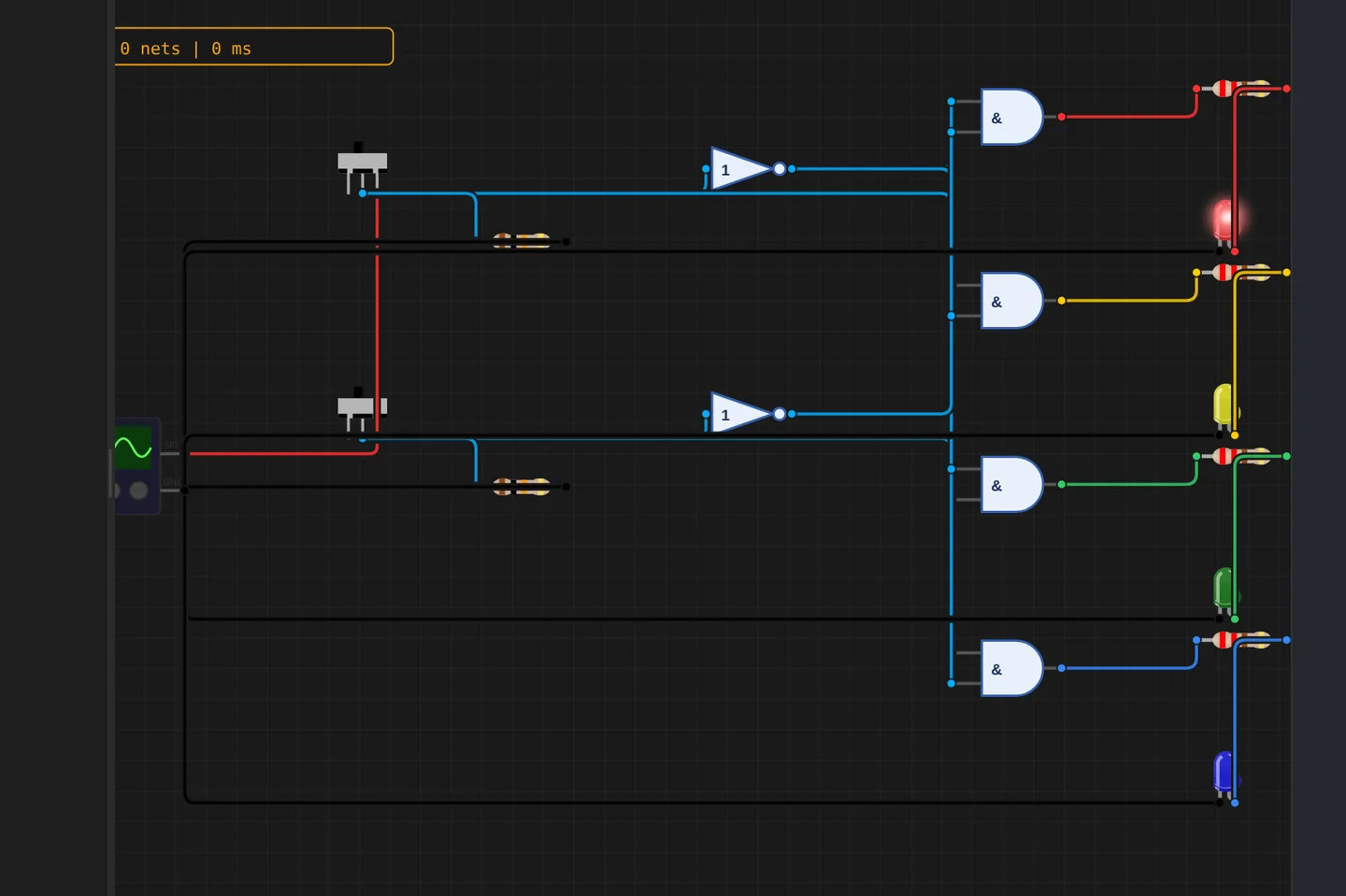
The M5Stack Cardputer with its keyboard, Seeed's round display keeping time, Pimoroni's Badger 2350 driving e-paper, and DFRobot's UNIHIKER M10 in the catalogue alongside them. Their makers sent the hardware so the emulation could be checked against the real thing.
35 boards across 6 CPU architectures — AVR8, ARM Cortex-M, ARM Cortex-A, RISC-V, Xtensa, and Linux. Including partner boards from Pimoroni, M5Stack, Seeed Studio and DFRobot. All running locally, no cloud needed.






One institution contract gives every student in the class a full Pro account. No per-seat checkout, no card details in a classroom.
Private projects, BOM and schematic exports and GitHub Sync, for everyone enrolled.
Billed once to your institution, per semester or per year. Volume pricing on request for large cohorts.
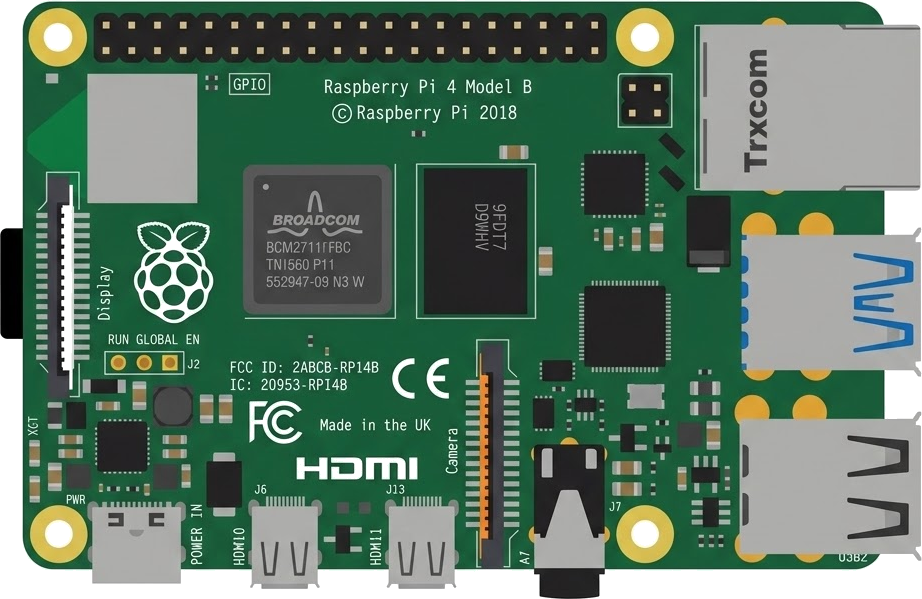
Arduino, ESP32, RP2040, STM32, ATtiny and Raspberry Pi, with SPICE analog solved alongside the firmware. Not a sandboxed mock.
The simulator stays free forever, WiFi with internet included. Paid plans unlock the Linux and STM32 boards, custom WiFi networks and the local network gateway. Maker and Pro add the AI agent; No AI leaves it out.
Discover the simulator + light AI help.
The full workbench, zero AI. You write every line.
For makers shipping real circuits with AI help.
Private projects, GitHub Sync and BOM exports.
Questions, bugs and ideas: the Discord and the issue tracker are open, and so is every line of the simulator.
An interactive Dfrobot Firebeetle2 Esp32S3 circuit simulation you can run free in your browser on Velxio, by soniyashvi966.
#include <WiFi.h>
#include <esp_now.h>
#include <esp_wifi.h>
#include <ESP32Servo.h>
#include <Adafruit_NeoPixel.h>
#include <math.h>

// -------- GPIO PINS --------
#define MQ2_PIN    4
#define FAN_PIN    5
#define SOIL_PIN   6
#define SERVO_PIN  3
#define LED_PIN    8

// -------- WS2812 --------
#define LED_COUNT 20

Adafruit_NeoPixel strip(
  LED_COUNT,
  LED_PIN,
  NEO_GRB + NEO_KHZ800
);

// -------- SERVO --------
Servo myServo;

// -------- SENSOR SETTINGS --------
const int MQ_ON_THRESHOLD  = 1800;
const int MQ_OFF_THRESHOLD = 1600;

const int SOIL_DRY = 3000;
const int SOIL_WET = 1500;
const int SOIL_LOW_LIMIT = 30;

// -------- ESP-NOW PACKET --------
typedef struct __attribute__((packed)) {
  uint8_t type;
  uint8_t servoOn;
  uint8_t ledOn;
  uint8_t fanOn;
  uint8_t soilLow;
  uint16_t mqRaw;
  uint8_t soilPercent;
} VelxioPacket;

uint8_t broadcastAddress[] = {
  0xFF, 0xFF, 0xFF,
  0xFF, 0xFF, 0xFF
};

VelxioPacket sendPacket;

// -------- COMMAND VARIABLES --------
volatile bool servoCommand = false;
volatile bool ledCommand = false;

bool servoState = false;
bool ledState = false;
bool fanState = false;

// -------- SENSOR VARIABLES --------
int mqRaw = 0;
int soilRaw = 0;
int soilPercent = 0;
bool soilLow = false;

// -------- RGB BREATHING --------
unsigned long lastLedUpdate = 0;

const uint8_t colors[][3] = {
  {255, 0, 0},
  {0, 255, 0},
  {0, 0, 255},
  {180, 0, 255},
  {0, 255, 255},
  {255, 100, 0}
};

const int COLOR_COUNT = 6;

// -------- RECEIVE COMMANDS --------
void onDataRecv(
  const esp_now_recv_info_t *info,
  const uint8_t *data,
  int len
) {
  Serial.print("RIGHT RECEIVED PACKET. Length: ");
  Serial.println(len);

  if (len != sizeof(VelxioPacket)) {
    Serial.println("PACKET SIZE ERROR");
    return;
  }

  VelxioPacket received;
  memcpy(&received, data, sizeof(received));

  Serial.print("PACKET TYPE: ");
  Serial.println(received.type);

  if (received.type == 1) {

    servoCommand = received.servoOn;
    ledCommand = received.ledOn;

    Serial.print("SERVO COMMAND: ");
    Serial.println(received.servoOn);

    Serial.print("RGB COMMAND: ");
    Serial.println(received.ledOn);
  }
}

// -------- RGB BREATHING --------
void updateBreathing() {

  if (!ledState) return;

  unsigned long now = millis();

  if (now - lastLedUpdate < 20) return;
  lastLedUpdate = now;

  float phase = (now % 4000) / 4000.0;

  float wave =
    (1.0 - cosf(phase * 6.2831853)) / 2.0;

  int brightness = (int)(wave * 255);

  int colorIndex = (now / 4000) % COLOR_COUNT;

  int r = colors[colorIndex][0] * brightness / 255;
  int g = colors[colorIndex][1] * brightness / 255;
  int b = colors[colorIndex][2] * brightness / 255;

  uint32_t color = strip.Color(r, g, b);

  for (int i = 0; i < LED_COUNT; i++) {
    strip.setPixelColor(i, color);
  }

  strip.show();
}

// -------- SENSOR READING --------
void readSensors() {

  mqRaw = analogRead(MQ2_PIN);
  soilRaw = analogRead(SOIL_PIN);

  soilPercent = map(
    soilRaw,
    S