Arduino, running the sketch you wrote
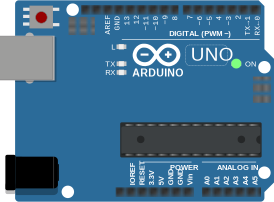
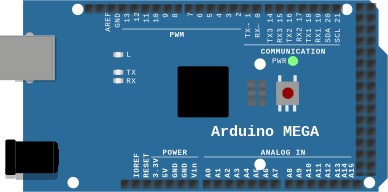
arduino-cli compiles it, an AVR8 core executes it instruction by instruction, and the LCD shows what the ATmega328P actually put on the bus. Uno, Nano, Mega and ATtiny85, no board on your desk.

Hardware is all about iteration. Velxio lets you wire a circuit, program the board and run it in seconds, real firmware on a real solver, right in the browser.





DFRobot · M5Stack links on this page are affiliate links: a purchase through them earns Velxio a small commission at no extra cost to you.
Nothing on this page is a scripted animation: the firmware is compiled and executed, and the circuit around it is solved.
arduino-cli compiles it, an AVR8 core executes it instruction by instruction, and the LCD shows what the ATmega328P actually put on the bus. Uno, Nano, Mega and ATtiny85, no board on your desk.
arduino-cli or ESP-IDF compiles the sketch, then AVR8, RP2040, RISC-V, Xtensa or ARM executes it instruction by instruction. What the OLED draws and what the serial monitor prints is what the chip actually did.

ngspice compiled to WebAssembly runs a full nodal analysis about 60 times a second. GPIO pins drive real nets, ADC inputs read solved node voltages, and probes report RMS, DC and current wherever you drop them.
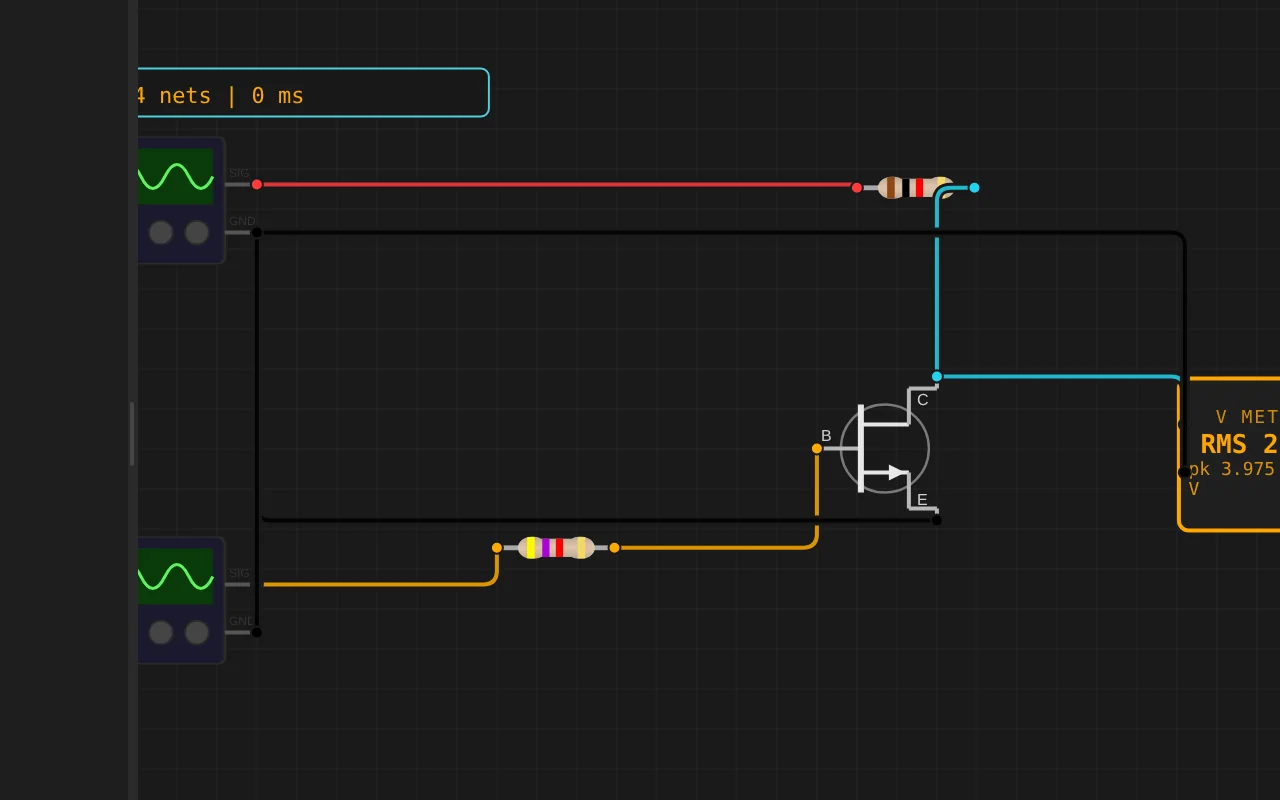
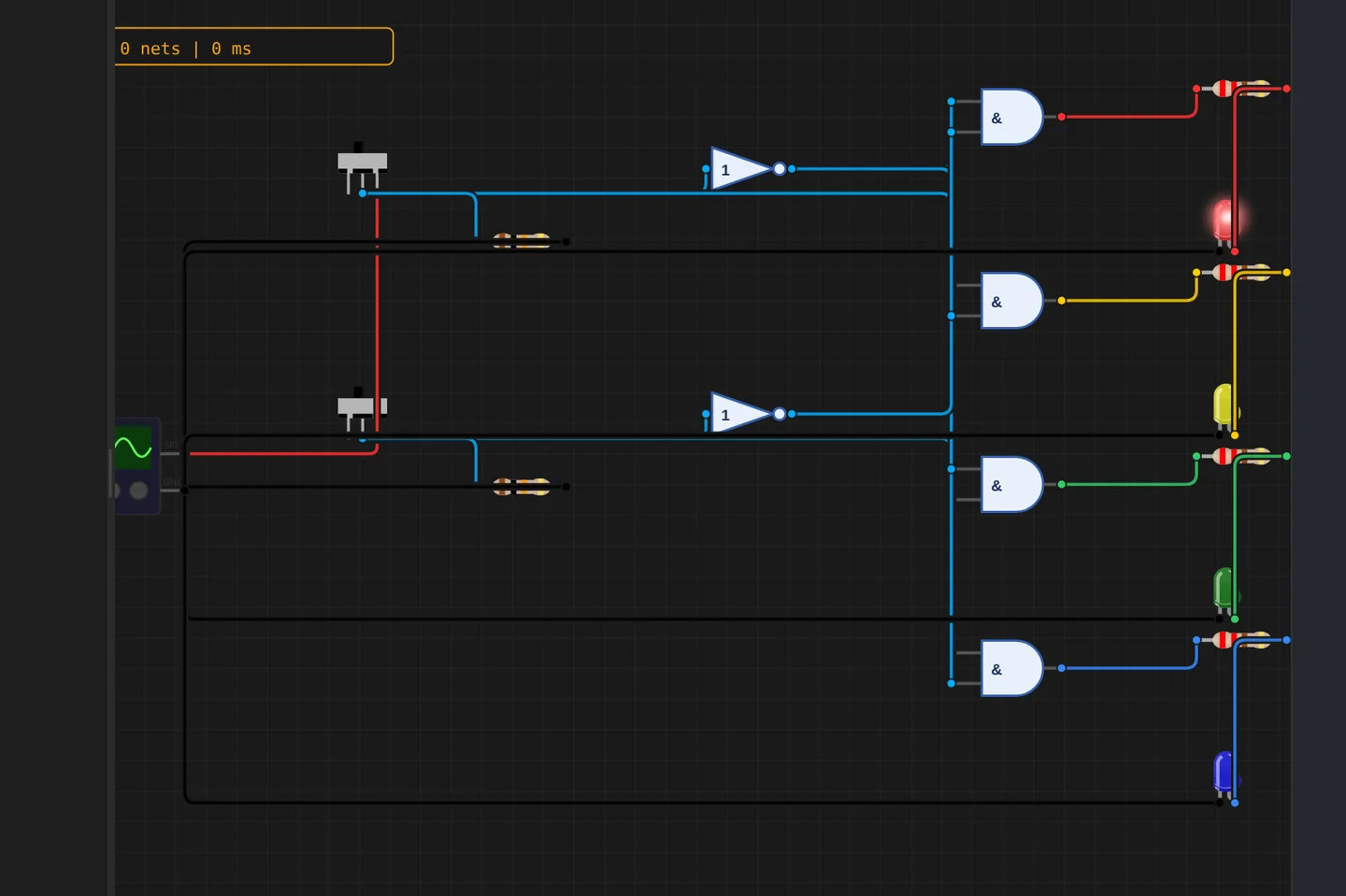
Adders, comparators, decoders, flip-flops and a 1-bit ALU slice: no microcontroller anywhere, just gates, switches and LEDs solved as a real net. The classroom half of electronics, without the breadboard.
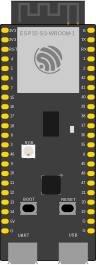
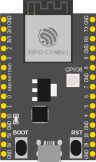
The M5Stack Cardputer with its keyboard, Seeed's round display keeping time, Pimoroni's Badger 2350 driving e-paper, and DFRobot's UNIHIKER M10 in the catalogue alongside them. Their makers sent the hardware so the emulation could be checked against the real thing.
35 boards across 6 CPU architectures — AVR8, ARM Cortex-M, ARM Cortex-A, RISC-V, Xtensa, and Linux. Including partner boards from Pimoroni, M5Stack, Seeed Studio and DFRobot. All running locally, no cloud needed.






One institution contract gives every student in the class a full Pro account. No per-seat checkout, no card details in a classroom.
Private projects, BOM and schematic exports and GitHub Sync, for everyone enrolled.
Billed once to your institution, per semester or per year. Volume pricing on request for large cohorts.
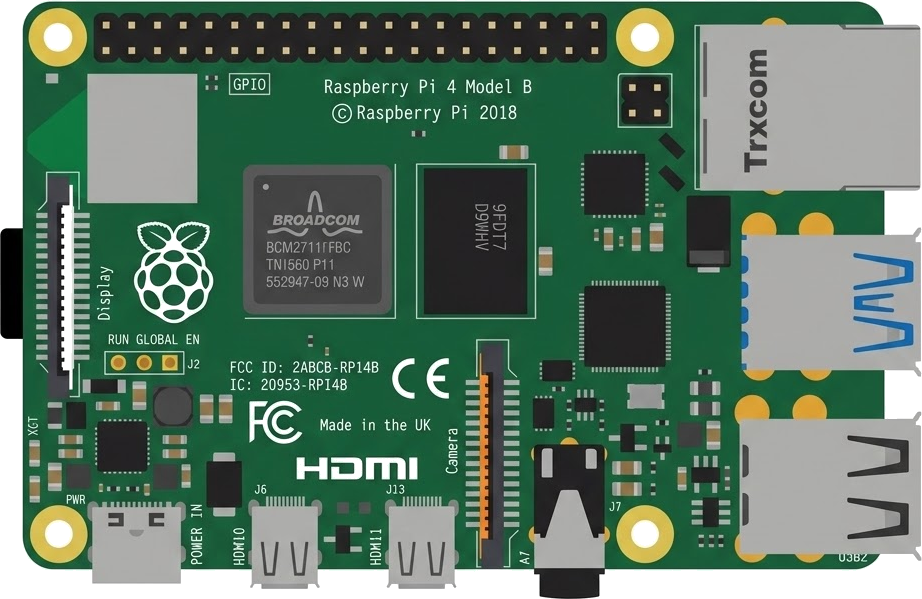
Arduino, ESP32, RP2040, STM32, ATtiny and Raspberry Pi, with SPICE analog solved alongside the firmware. Not a sandboxed mock.
The simulator stays free forever, WiFi with internet included. Paid plans unlock the Linux and STM32 boards, custom WiFi networks and the local network gateway. Maker and Pro add the AI agent; No AI leaves it out.
Discover the simulator + light AI help.
The full workbench, zero AI. You write every line.
For makers shipping real circuits with AI help.
Private projects, GitHub Sync and BOM exports.
Questions, bugs and ideas: the Discord and the issue tracker are open, and so is every line of the simulator.
ESP32-S3 interface with dual BMI088 IMU sensors and slide potentiometers
An interactive ESP32-S3 circuit simulation you can run free in your browser on Velxio, by atharvasavarkar.
#include <stdio.h>
#include <stdbool.h>
#include "freertos/FreeRTOS.h"
#include "freertos/task.h"
#include "driver/i2c_master.h"
#include "esp_adc/adc_oneshot.h"
#include "esp_log.h"
static const char *TAG = "sensors";
/* ---------------- Pins (match the circuit) ---------------- */
#define I2C0_SDA 21
#define I2C0_SCL 47
#define I2C1_SDA 42
#define I2C1_SCL 41
#define ACC_ADDR 0x19
#define GYRO_ADDR 0x69
#define ADC_POT1 4
#define ADC_POT2 5
#define ADC_POT3 6
#define ADC_POT4 7
#define ADC_ROTARY 1
#define ADC_PRESSURE 2
/* ---------------- BMI088 registers ---------------- */
#define ACC_CHIP_ID 0x00
#define ACC_X_LSB 0x12
#define ACC_CONF 0x40
#define ACC_RANGE 0x41
#define ACC_PWR_CONF 0x7C
#define ACC_PWR_CTRL 0x7D
#define ACC_SOFTRESET 0x7E
#define GYRO_CHIP_ID 0x00
#define GYRO_X_LSB 0x02
#define GYRO_RANGE 0x0F
#define GYRO_BANDWIDTH 0x10
#define GYRO_LPM1 0x11
#define GYRO_SOFTRESET 0x14
#define GRAVITY 9.80665f
typedef struct {
i2c_master_dev_handle_t acc;
i2c_master_dev_handle_t gyro;
float acc_scale; /* m/s^2 per LSB */
float gyro_scale; /* deg/s per LSB */
} bmi088_t;
typedef struct { float ax, ay, az, gx, gy, gz; } imu_data_t;
static i2c_master_bus_handle_t bus0, bus1;
static bmi088_t imu1, imu2;
static adc_oneshot_unit_handle_t adc1_handle;
typedef struct { int gpio; adc_channel_t ch; } adc_pin_t;
static adc_pin_t adc_pins[] = {
{ ADC_POT1, 0 }, { ADC_POT2, 0 }, { ADC_POT3, 0 }, { ADC_POT4, 0 },
{ ADC_ROTARY, 0 }, { ADC_PRESSURE, 0 },
};
#define N_ADC (sizeof(adc_pins) / sizeof(adc_pins[0]))
/* ---------------- I2C helpers ---------------- */
static esp_err_t reg_write(i2c_master_dev_handle_t dev, uint8_t reg, uint8_t val)
{
uint8_t buf[2] = { reg, val };
return i2c_master_transmit(dev, buf, 2, 100);
}
static esp_err_t reg_read(i2c_master_dev_handle_t dev, uint8_t reg, uint8_t *data, size_t len)
{
return i2c_master_transmit_receive(dev, ®, 1, data, len, 100);
}
static esp_err_t i2c_bus_init(i2c_port_num_t port, int sda, int scl, i2c_master_bus_handle_t *bus)
{
i2c_master_bus_config_t cfg = {
.i2c_port = port,
.sda_io_num = sda,
.scl_io_num = scl,
.clk_source = I2C_CLK_SRC_DEFAULT,
.glitch_ignore_cnt = 7,
.flags.enable_internal_pullup = true,
};
return i2c_new_master_bus(&cfg, bus);
}
/* ---------------- BMI088 ---------------- */
static esp_err_t bmi088_init(i2c_master_bus_handle_t bus, bmi088_t *imu)
{
uint8_t id = 0;
esp_err_t err;
/* Accelerometer */
i2c_device_config_t acc_cfg = {
.dev_addr_length = I2C_ADDR_BIT_LEN_7,
.device_address = ACC_ADDR,
.scl_speed_hz = 400000,
};
err = i2c_master_bus_add_device(bus, &acc_cfg, &imu->acc);
if (err != ESP_OK) return err;
reg_write(imu->acc, ACC_SOFTRESET, 0xB6);
vTaskDel