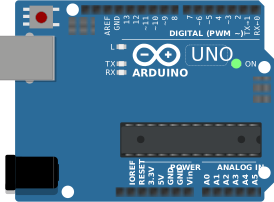
Arduino, running the sketch you wrote
arduino-cli compiles it, an AVR8 core executes it instruction by instruction, and the LCD shows what the ATmega328P actually put on the bus. Uno, Nano, Mega and ATtiny85, no board on your desk.

Hardware is all about iteration. Velxio lets you wire a circuit, program the board and run it in seconds, real firmware on a real solver, right in the browser.





DFRobot · M5Stack links on this page are affiliate links: a purchase through them earns Velxio a small commission at no extra cost to you.
Nothing on this page is a scripted animation: the firmware is compiled and executed, and the circuit around it is solved.
arduino-cli compiles it, an AVR8 core executes it instruction by instruction, and the LCD shows what the ATmega328P actually put on the bus. Uno, Nano, Mega and ATtiny85, no board on your desk.
arduino-cli or ESP-IDF compiles the sketch, then AVR8, RP2040, RISC-V, Xtensa or ARM executes it instruction by instruction. What the OLED draws and what the serial monitor prints is what the chip actually did.

ngspice compiled to WebAssembly runs a full nodal analysis about 60 times a second. GPIO pins drive real nets, ADC inputs read solved node voltages, and probes report RMS, DC and current wherever you drop them.
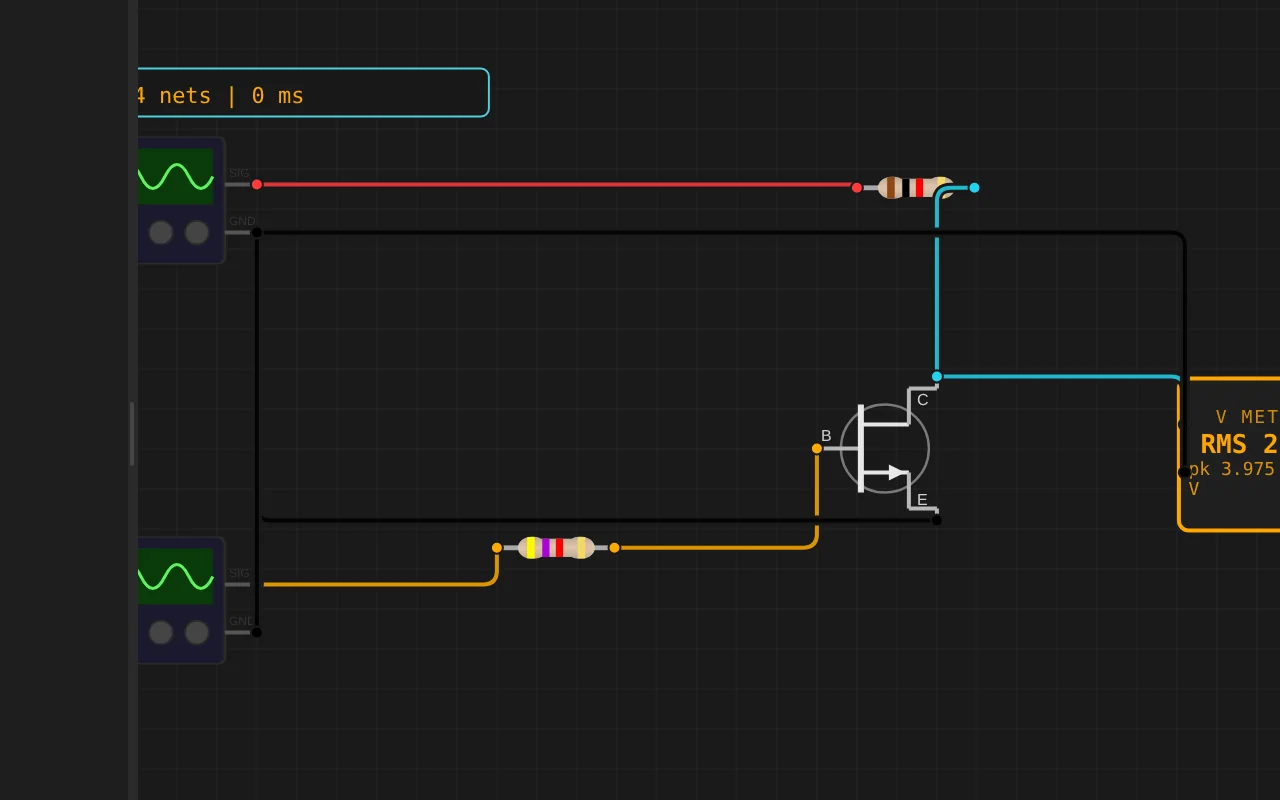
Adders, comparators, decoders, flip-flops and a 1-bit ALU slice: no microcontroller anywhere, just gates, switches and LEDs solved as a real net. The classroom half of electronics, without the breadboard.
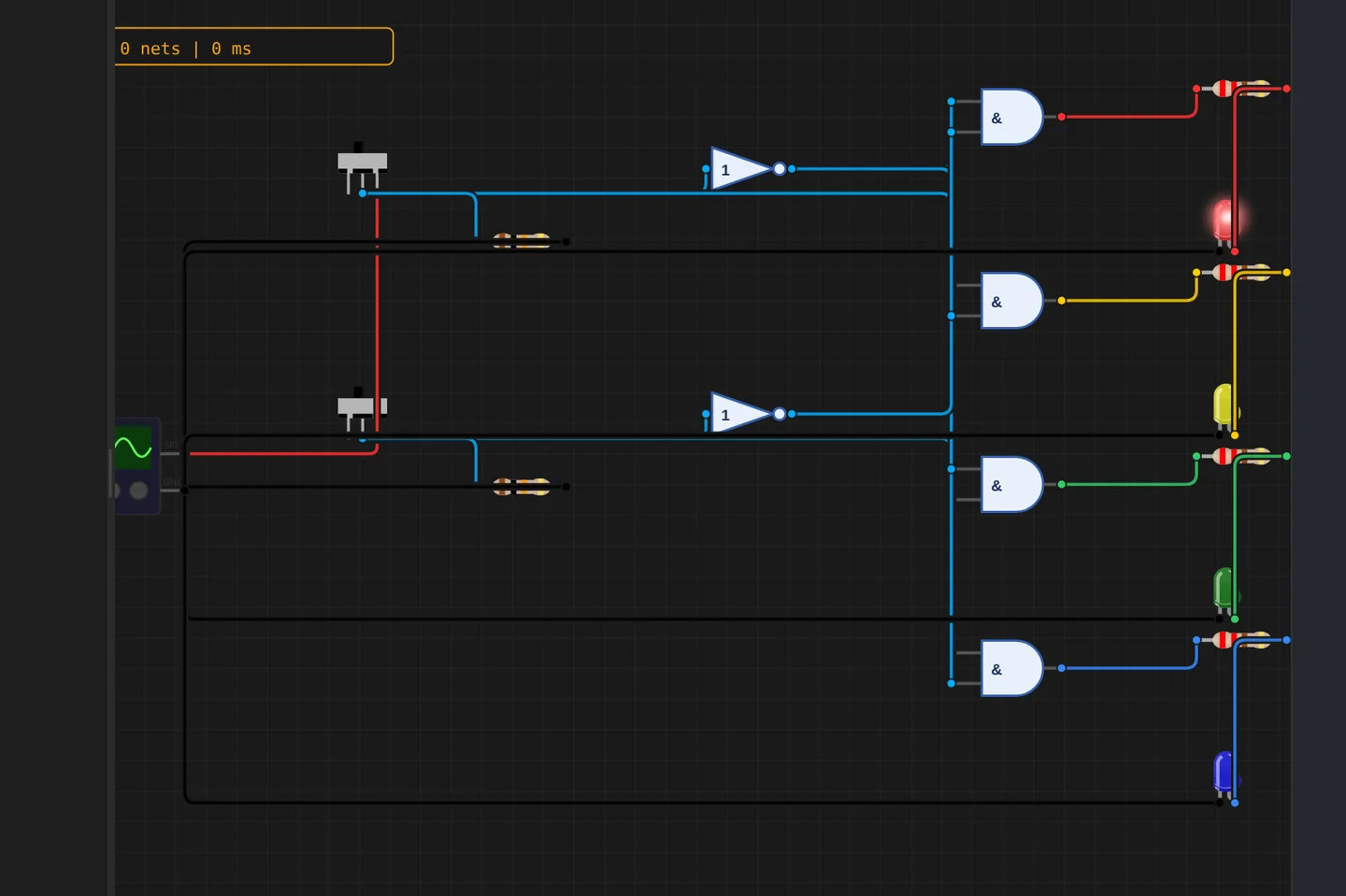
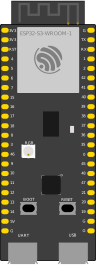
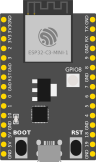
The M5Stack Cardputer with its keyboard, Seeed's round display keeping time, Pimoroni's Badger 2350 driving e-paper, and DFRobot's UNIHIKER M10 in the catalogue alongside them. Their makers sent the hardware so the emulation could be checked against the real thing.
35 boards across 6 CPU architectures — AVR8, ARM Cortex-M, ARM Cortex-A, RISC-V, Xtensa, and Linux. Including partner boards from Pimoroni, M5Stack, Seeed Studio and DFRobot. All running locally, no cloud needed.






One institution contract gives every student in the class a full Pro account. No per-seat checkout, no card details in a classroom.
Private projects, BOM and schematic exports, GitHub Sync and the offline desktop app, for everyone enrolled.
Billed once to your institution, per semester or per year. Volume pricing on request for large cohorts.
Arduino, ESP32, RP2040, STM32, ATtiny and Raspberry Pi, with SPICE analog solved alongside the firmware. Not a sandboxed mock.
The simulator stays free forever, WiFi with internet included. Paid plans unlock the Linux and STM32 boards, custom WiFi networks, the local network gateway and the offline desktop app. Maker and Pro add the AI agent; No AI leaves it out.
Discover the simulator + light AI help.
The full workbench, zero AI. You write every line.
For makers shipping real circuits with AI help.
Private projects, GitHub Sync and BOM exports.
Questions, bugs and ideas: the Discord and the issue tracker are open, and so is every line of the simulator.
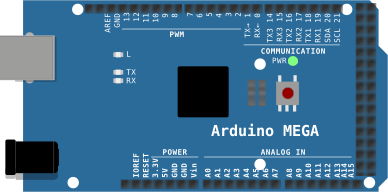
An interactive Arduino Mega circuit simulation you can run free in your browser on Velxio, by 25040118.
/*
 * Velxio 环境监测 —— 传感器显示 + CO₂ 声光报警 + 4×4 键盘密码开锁(舵机)
 * 硬件:Arduino MEGA 2560
 *
 * 接线(对应 velxio_wiring.html):
 *   OLED 0.96 (I2C 0x3C) : SDA -> D20, SCL -> D21, VCC -> 5V, GND -> GND
 *   SHT31     (I2C 0x44) : SDA -> D20, SCL -> D21, VCC -> 5V, GND -> GND
 *   MH-Z16    (UART)     : TX -> D19(RX1), RX -> D18(TX1), VCC -> 5V, GND -> GND
 *   空气质量 v1.3         : SIG -> A1, VCC -> 5V, GND -> GND
 *   Grove RGB LED(WS2813): SIG -> D12, VCC -> 5V, GND -> GND(CO₂:绿/黄/红 3 挡)
 *   Grove RGB LED(WS2813): SIG -> D13, VCC -> 5V, GND -> GND(湿度:蓝/黄/红 3 挡)
 *   Grove RGB LED(WS2813): SIG -> D31, VCC -> 5V, GND -> GND(空气质量:绿/黄/红)
 *   Grove RGB LED(WS2813): SIG -> D32, VCC -> 5V, GND -> GND(温度:绿/黄/红)
 *   Grove RGB LED(WS2813): SIG -> D37, VCC -> 5V, GND -> GND(光照照明:黄/白)
 *   Grove 光照传感器        : SIG -> A0, VCC -> 5V, GND -> GND(光敏电阻,模拟输出)
 *   Grove RGB LED(WS2813): SIG -> D38, VCC -> 5V, GND -> GND(补光照明:按键手动开关 / 自动跟随光照)
 *   Grove 压电蜂鸣器(主动): SIG -> D10, VCC -> 5V, GND -> GND
 *   4×4 矩阵键盘          : R1-R4 -> D2-D5, C1-C4 -> D6-D9
 *   6 个独立按键(DO 输出): 静音 CO2 -> D33(蜂鸣器与 CO₂ 灯一起停 5 秒);
 *                          风扇1 -> D34;风扇2 -> D35;齿轮电机 -> D36
 *                          (各按 1 挡 -> 2 挡 -> 3 挡 -> 关闭/交还自动 循环);
 *                          补光灯开关 -> D39(按一次开 / 再按关);补光灯自动 -> D40(自动/手动切换);
 *                          VCC -> 5V, GND -> GND
 *   9g 舵机               : 信号 -> D11, VCC -> 5V, GND -> GND
 *   L293D(A/B 路驱动两个风扇) : VCC1(16)、VCC2(8) -> 5V;GND(4,5,12,13) -> GND
 *                          A 路(风扇1,降温 3 挡调速): EN1(1) -> D44(PWM);IN1(2) -> D22;IN2(7) -> D23
 *                                OUT1(3) -> 风扇1 +;OUT2(6) -> 风扇1 −
 *                          B 路(风扇2,除湿): EN2(9) -> D25;IN3(10) -> D26;IN4(15) -> D27
 *                                OUT3(11) -> 风扇2 +;OUT4(14) -> 风扇2 −
 *   L293D#2(A 路驱动齿轮电机,按空气质量 3 挡调速)
 *                          VCC1(16)、VCC2(8) -> 5V;GND(4,5,12,13) -> GND
 *                          EN1(1) -> D30;IN1(2) -> D28;IN2(7) -> D29
 *                          OUT1(3) -> 电机 M1;OUT2(6) -> 电机 M2
 *                          编码器 A/B 输出暂不接(可选 D40 / D41 读取转速)
 *
 * 键盘功能:
 *   0-9  输入数字(最多 8 位)
 *   A    进入"修改密码"模式(之后输入新密码,按 # 保存)
 *   B    删除最后一位
 *   C / *  取消全部输入
 *   D    取消全部输入并退出改密模式
 *   #    确认:改密模式下保存新密码;否则校验密码开锁 / 已开锁时落锁
 *
 * CO₂:> 1000 ppm 蜂鸣器间歇响;指示灯按 ppm 分 3 挡(600 绿 / 800 黄 / 1000 红)
 *
 * 依赖库:Adafruit SSD1306、Adafruit GFX、Adafruit SHT31、Servo、Adafruit NeoPixel
 */

#include <Wire.h>
#include <Adafruit_GFX.h>
#include <Adafruit_SSD1306.h>
#include <Adafruit_SHT31.h>
#include <Servo.h>
#include <Adafruit_NeoPixel.h>

#define OLED_W      128
#define OLED_H      64
#define OLED_ADDR   0x3C
#define SHT31_ADDR  0x44

#define PIN_AIR     A1
#define PIN_LED_CO2_WS 12       // Grove RGB LED(WS2813 Mini)SIG:CO₂ 三级指示(绿/黄/红)
#define PIN_LED_WS  13          // Grove RGB LED(WS2813 Mini)SIG:湿度告警(蓝)
#define PIN_LED_AIR_WS 31       // Grove RGB LED(WS2813 Mini)SIG:空气质量告警(绿/黄/红)
#define PIN_LED_TEMP_WS 32      // Grove RGB LED(WS2813 Mini)SIG:温度告警(绿/